In this article:
Litterbox Placement | Number of Litterboxes | Health and Behavior
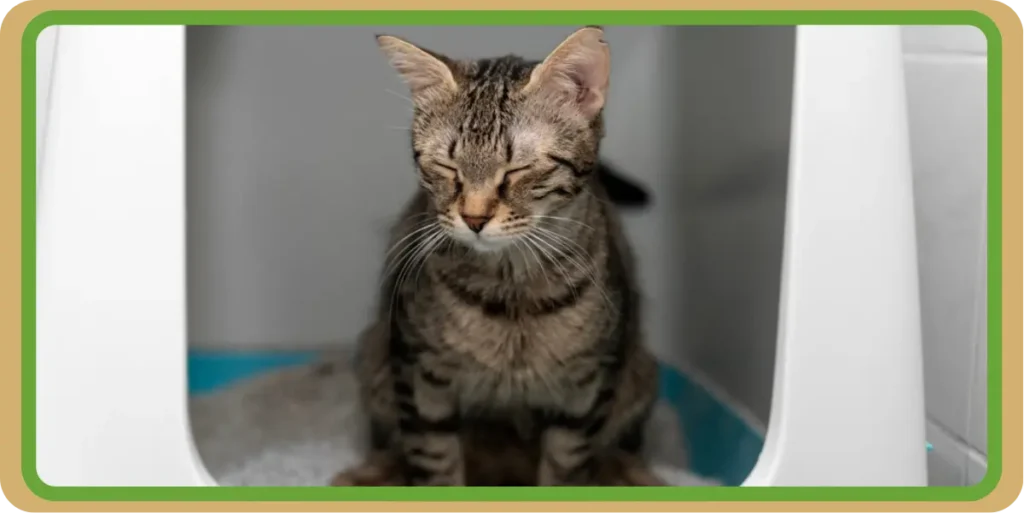
Yes, cats really do prefer to poop in a box with litter. It continues to be an astounding fact about cats. The market is full of litter options, but it all comes down to a cat’s natural behavior: they like to dig in the sand and dirt to do their business.
When you adopt a cat from meowWOOF, he or she will already be litterbox trained because of the demographic we serve. However, there are reasons a cat might choose not to use the litterbox. While those reasons may be opaque or seem ridiculous to us, those are valid reasons to the cat, and they are really trying to let you know with their most potent communication tool.
Let’s start with how to set yourself up for success with your new cat. We’ll focus on adult cats, since this is our primary demographic.
Placement
You will need to observe what they consider their territory in your home and provide litterboxes in areas where they feel confident using them. This will be easy at first when you use a dedicated transition area where the cat can be safely and comfortably kept until he or she is ready to join the rest of the house. This article has additional descriptions of transition spaces.
Once they do join the rest of the house, placing litterboxes in high traffic areas, like hallways, won’t go over well, and placing litterboxes too far away from where the cat spends most of his or her time also won’t go over well. Overly dark areas, like unlit closets, are sometimes huge no-no’s for certain cats. You want to always choose their confident zones, and those areas don’t have to remain permanent. As the cat gets more and more used to your home, you can move the litterboxes into areas that are more convenient to you. The cat will let you know if he or she doesn’t approve of a new area by promptly not using it anymore. You might need to move litterboxes around until the right spot is found. Take special consideration for access and side heights of a litterbox for geriatric cats and cats with mobility limitations; if the sides are too high or it is too difficult for them to get to, it could be physically uncomfortable for them to use.
Number
Another consideration is the number of litterboxes. The general rule is “the number of cats plus one more box.” However, it’s not a hard rule. Use the number and size that fits in your home, that provides the space the cat(s) need(s), and that you can clean regularly. Scooping litter daily or even twice a day may seem like a lot of work, but the trade-off can be less cleaning overall. The more eliminations in the box at a time the more you’re giving your cat a “valid reason” not to use the litterbox. Remember, they like to dig in litter; they don’t like to dig in their own urine or feces.
Whether you choose to use clay litter, pellets, or other substrates, your cat will have his or her preference. Many cats can be transitioned from one substrate to another, but some cats are just picky little divas. We love them for it, but we do have to use the litter they prefer. If the cat is avoiding using the litterbox, you change the substrate back to their preference, and they still don’t go back to using the litterbox, then there is likely another reason.
Health and Behavior
If the location has been ok’d by the cat, the substrate is to their preference, and they are still not using the litterbox, make sure that the cat doesn’t have intestinal issues or urinary issues by taking a visit to their vet. Eliminating outside the litterbox is often the first message from your cat that they aren’t feeling well. This can include high stress, dietary changes, and household changes. Transitions can stress out a cat. Territorial incursions from other creatures or aggressive scents can stress out a cat. Take the time to figure out if the issue is physical or emotional, and you’ll need to take action to improve the situation. If they aren’t using the litterbox, they’re trying to tell you something. Don’t waste time assuming that not using the litterbox equals “bad” behavior.

To follow that point, never scold or punish a cat for eliminating outside the litterbox. Cat brains don’t understand punishment in the way that we could hope to communicate to them. At worst, you can disrupt communication with the cat to an extent that they stop communicating actual physical pain to you. At the very least, you will confuse litterbox usage for them and can exacerbate litterbox misuse. Punishing a cat will not result in better litterbox usage; it’s up to you to change the situation for the cat.
Remember that cats are extremely communicative, and it’s your responsibility as their adopter to learn their language. Elimination is a primary method of communication for cats. Scooping poop sure doesn’t feel like a conversation to us humans, but approaching litterbox training with this frame of mind will mean that you’re paying attention to the health of your cat and ensuring their happiness and comfort.